Ready to change your mindset?
My approach combines CBT techniques with attention to your life, work, and family contexts,
so you learn lasting strategies for calm and confidence.
Join the many clients I’ve helped since 2006 to meet their goals and feel better about their future.
Client Review, Elsie R: "I had therapy sessions with John when I was really struggling, and in the first hour he’d totally changed my mindset, given me a healthier, more useful perspective and tools that I will use throughout life and won’t forget. He totally showed me what’s possible with reflection and support. John is incredibly kind, patient and non-judgemental and I would recommend him to anyone who needs some support."
London Fields CBT Therapist — Helping People Change Since 2006

Whether you're struggling with anxiety, burnout, relationship difficulties, or the pressures of an always-on digital life, I offer evidence-based CBT that goes beyond symptom management — helping you understand the deeper patterns that keep difficulties in place, and building skills that last.
My approach combines Cognitive Behavioural Therapy with systemic and psychodynamic thinking, drawing on 20 years of clinical experience. I am a member of both the BABCP and BACP, hold an MA in Systemic Psychodynamics from the Tavistock Centre, and am an accredited MBTI practitioner — meaning therapy with me is tailored to how you think and process the world, not just what you're struggling with.
I see clients in person in London Fields and online across the UK. Sessions are available Monday to Friday, including evenings.
Private Health Insurance Accepted ::
I'm a registered therapist with WPA, which means you can use insurance for therapy expenses directly if you have WPA coverage.
Find my details on the WPA healthcare provider search& for further details please click here for insurance claim instructions
I specialise in helping clients with:
Client Review, Michael D: "John is a really knowledgeable and considerate therapist - I would highly recommend him."
Client Review, Susan M: "I was struggling with a few issues when I was recommended to go and see John. He really listened to me. I went for a six sessions which have changed my outlook completely. If I’m struggling in the future I will definitely go back to John again, it’s a great life line..."
What to expect in therapy with John
Specialist Support for Your Mental Well-being:
Video introductions to the areas we can work on together
Anxiety, Panic & Social Confidence:
- Anxiety, and related Panic Attacks:
The racing heart, dread, and constant “what-ifs” can become exhausting. CBT helps you understand what keeps anxiety going and develop practical ways to steady yourself when it rises. Together we work toward a more manageable, confident day-to-day life (click to view brief introductory video)
- Social Anxiety:
More than shyness, social anxiety can make everyday situations feel draining or risky. CBT helps you test unhelpful assumptions, reduce self-criticism, and gradually build confidence in social situations so you can feel more at ease with others (video)
- Health Anxiety:
Constant checking and worry about health can take over your thoughts. CBT helps break cycles of reassurance-seeking, and builds tolerance for uncertainty so you can regain peace of mind and trust in your judgement (video)
- Phobias, including Claustrophobia and Cleithrophobia:
Phobias trigger intense fear that can shrink everyday life. CBT uses gradual, supported exposure to help your nervous system relearn safety and rebuild confidence over time
(video)
- Adjustment Disorder / Post Traumatic Stress Disorder:
When the impact of a difficult experience lingers, CBT provides structured, trauma-informed support to help restore a sense of safety and control, at a pace that feels manageable for you
(video)
- Stress and Overwhelm:
When demands keep piling up, it can feel like there’s no room to breathe. CBT helps you understand what drives overwhelm and develop healthier ways of managing pressure and expectations. The aim is to create more space and balance in your life
(video)
- Climate Anxiety and Eco-Distress:
The scale of the climate crisis can feel overwhelming — and for many people, it’s becoming a genuine source of anxiety, grief, guilt, or helplessness. As a CBT therapist who also works as a sustainability consultant, I bring an unusual depth of understanding to this area. CBT helps you manage the emotional weight of climate concern without shutting it down — so you can stay engaged with what matters to you, while protecting your mental health
(video)
- Stress management / Work-Related Stress and Overwhelm:
Relentless emails, meetings and expectations can make work feel unsustainable. CBT helps you step back, challenge patterns that drive stress, and regain a sense of control and clarity
(video)
(see also the work section)
- Accident-related Trauma / chronic pain or serious illness :
Physical illness or injury often brings emotional strain as well. CBT helps reduce anxiety and stress that can amplify suffering and supports adjustment to changed circumstances so quality of life improves
(video)
- Insomnia:
Racing thoughts and poor sleep can become self-reinforcing. CBT for insomnia focuses on resetting habits and thought patterns that disrupt sleep so rest becomes more natural again (video)
- Emotions, moods, and life events related to lockdown, and post-viral health:
The pandemic and its aftermath have affected many people’s sense of safety, energy and connection. CBT helps process what has changed and supports gradual recovery and adjustment (video)
Workplace Stress, Burnout and Professional Pressure:
Work can be rewarding, but sustained pressure, uncertainty, or difficult or complex workplace dynamics can begin to affect confidence, sleep, health, and relationships. Therapy offers space to step back, understand what is happening, and develop practical ways to manage pressure more sustainably, so work supports your life rather than overwhelms it.
- Workplace Change and Burnout:
Change at work can bring opportunity, but when it’s relentless or poorly supported, exhaustion can follow. CBT helps you recognise early signs of burnout, protect your energy, and navigate uncertainty with more steadiness so work becomes sustainable again (video)
- Leadership Pressure and Imposter Syndrome:
Carrying responsibility while privately doubting yourself is more common than many leaders admit. CBT helps challenge self-critical thinking, reconnect you with your strengths, and support more confident and grounded leadership (video)
- Workplace Stress and Anxiety:
Work should challenge you, but it shouldn’t constantly leave you on edge. When stress becomes a daily background hum, CBT helps you understand what is driving it and develop ways to respond more calmly and effectively. The aim is to help you regain a sense of balance and control at work (video)
- Navigating Difficult Workplace Relationships and Conflict:
Conflict at work can be draining and hard to escape. Whether the difficulty lies with a colleague, manager, or team culture, CBT and systemic thinking help you understand what’s happening and develop clearer, calmer ways to respond while protecting your wellbeing (video)
- Personality Type and the Workplace:
Understanding your personality preferences can change how you approach communication, decision-making, and stress at work. As an MBTI® practitioner and CBT therapist, I help clients use this insight alongside practical CBT tools to develop confidence and work in ways that suit them better (video)
- Anger Management:
Anger often signals something important, but when it escalates quickly it can damage relationships. CBT helps you understand triggers and develop ways to express feelings more calmly and constructively (video)
ADHD, OCD & Intrusive Thoughts:
- ADHD-related mental health issues:
Living with ADHD can bring overwhelm, frustration, or shame. CBT helps develop practical strategies to manage anxiety, organisation and emotional impact, working with how your mind functions rather than against it (video)
- Obsessive-Compulsive Disorder:
OCD involves intrusive thoughts and anxiety maintained by compulsive behaviours. CBT with Exposure and Response Prevention helps you gradually break these cycles so anxiety loses its grip over time (video)
- Intrusive Thoughts:
Unwanted thoughts can feel alarming, especially when they persist. CBT helps you change how you respond to these thoughts so they lose their power and frequency over time. (video)
Self-Esteem, Relationships & Divorce:
- Divorce / relationship break-ups and family conflict:
Relationship breakdown can affect every part of life. CBT helps you process what’s happened, manage emotional fallout, and rebuild a clearer sense of direction and self (video)
- Low self-esteem and relationship problems:
Feeling “not good enough” can shape relationships and choices. CBT helps challenge long-standing self-criticism and build a more stable sense of self-worth (video)
Ai, Online Habits, Addictions & Sleep:
We live increasingly digital lives — and for many of us, the psychological cost is becoming harder to ignore. Whether it’s anxiety about AI transforming your job, perhaps sensing a quiet erosion of self-worth through social media comparison, or the exhaustion and cognitive fragmentation of being a part of our always-online culture, these factors can be a real and growing sources of distress.
My approach combines CBT with original research into AI and organisational psychology, giving me a distinctive understanding of how digital life affects mental health — and how to help.
- AI Anxiety and the Changing Workplace:
AI is transforming how we work — and for many, it's creating new anxieties about relevance, competence, and identity. As a researcher and therapist working at the intersection of AI and mental health, I help you make sense of the disruption and regain your confidence (video)
- Social Media, Comparison and Self-Worth:
The curated lives we see online can quietly erode how we feel about our own. CBT helps you recognise the cognitive distortions social media amplifies — and rebuild a relationship with technology that supports rather than undermines your self-worth (video)
- Digital Overwhelm: Boundaries, Attention and Rest:
Always-on culture fragments your attention and depletes your capacity to think clearly. CBT helps you set digital boundaries, protect your cognitive space, and recover the ability to be present — both at work and at home (video)
- Gaming Addiction, Screen Addiction, Social Media Addiction:
Compulsive screen use often fills emotional gaps such as loneliness or stress. CBT helps you understand those patterns and rebuild healthier routines so technology becomes part of life rather than taking it over
(video)
Depression, Low Mood & Loss:
- Depression and Low Mood:
Depression can feel like numbness, exhaustion, or being stuck in a fog. CBT provides practical structure and support to help rebuild motivation, restore routine, and gradually reconnect with life again (video)
- Loss, or grief:
Grief can unsettle everything. CBT helps you work through thoughts and feelings that complicate mourning, such as guilt or fear about moving forward, so loss can be carried with less distress over time (video)
I am experienced in helping you understand how thinking and behaviour influence your situation. We can also examine the effect of different systems - such as the family or work system - on your mood. I am aware that people's experience of the world and how the world experiences us can be influenced by diversity characteristics such a gender, sexuality, race, religion etc., and I work to establish a safe space for us to explore any aspects related to difference that you wish to address.
Effective, Goal-Focused Therapy
My approach combines Cognitive Behavioural Therapy (CBT) with systemic psychotherapy. CBT offers practical, evidence-based ways to understand and change patterns of thinking and behaviour that contribute to anxiety, low mood or stress. Alongside this, I also pay attention to the wider relational and work contexts that shape how difficulties develop and are maintained; I am skilled at working with complex issues.
Together, this creates therapy that is focused, thoughtful and grounded in real-life change.
When we feel low or anxious, we tend to think in ways that make us feel worse. Negative thoughts do not always reflect reality, but when a person is low or anxious or depressed, they believe these thoughts to be true. CBT will help you to examine your thoughts more effectively and objectively, to manage your negative feelings, and to help you to identify and modify any self-defeating behavioural problems.
CBT is well renowned for providing some key benefits:
- It helps clients develop healthier thought patterns by becoming aware of the negative (and quite often unrealistic) thoughts that lower feelings and moods
- It is an effective short-term treatment option - improvements can often be seen in between five to twenty therapy sessions
- It is effective for a wide variety of maladaptive/unhelpful behaviours.
- Therapy can be effective both in-person, and online
- It can be accessed by those who don't require psychotropic medication
The National Institute for Clinical Excellence (NICE) issues guidelines for the treatment and care of people with depression and anxiety and sets National Standards for care for people with depression and anxiety. NICE recommends CBT as THE psychological therapy for the treatment of Depression, Anxiety, and Addiction, and CBT is proven to help clients who want to look at areas such as those that I address here, and on my YouTube Channel.
My Background
My background includes both working for the NHS, and then in private practice, since 2006. I am a member of the British Association for Behavioural and Cognitive Psychotherapies (BABCP), and the The British Association for Counselling and Psychotherapy (BACP). I am an Alumnus of the University of Essex, of Goldsmiths & Birkbeck in the University of London, and of the University of Limerick.
Click on the button below to arrange your 15 minute consultation. You can tell me about your situation and what you're looking for, and we can think together about how I may be able help you.
My qualifications include:
- MA Systemic Psychodynamics - University of Essex
- PG Dip CBT - Goldsmiths, University of London
- Psychotherapeutic Counselling - Birkbeck, University of London
- Rational Emotive Behavioural Therapy - Action Learning Accredited
- Advanced Systems-Psychodynamic Coach - Tavistock Consulting
- BSc (Hons) Work & Organisational Psychology - Univ. of Limerick
- Myers-Briggs Type Indicator, Accredited Steps i and ii
Professional Therapy Body Memberships:
The British Association for Counselling and Psychotherapy
BACP No. 01045505
The British Association for Behavioural and Cognitive Psychotherapies
BABCP No. 060015

Location & Fees
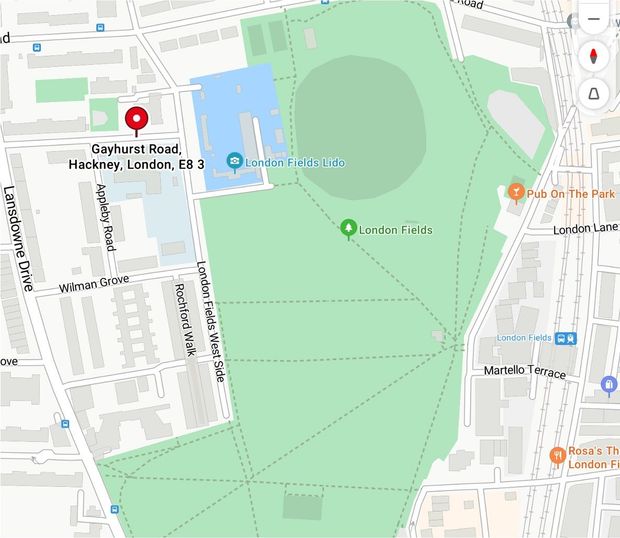
My consulting room is in Gayhurst Road, London Fields, and I also work online.
We would start with a free introductory 10-15 minute chat. You can outline your challenges and I can offer some initial thoughts. I will then suggest how we might work together.
We then start our sessions with a diagnostic session; we take a look at your journey, and what you would like our work to focus on, and achieve. We will look at your thoughts and beliefs, and come to understand how they relate to your behaviours, feelings, and day-to-day functioning.

Sessions take 50 minutes
- I work with you to develop new perspectives, thinking, and behaviours that enable you to address specific problems, more effectively. A typical session includes a review on work thus far, a check in on how you're doing, and how you are finding working with the model. We then undertake some further exercises, and conclude with an overview of what's been covered in the session, and setting the theme for the next session.
Session Length
Therapy can last between 7-20 sessions; we meet weekly, and the length of therapy depends on the nature of your problems and on your progress. I will discuss my treatment recommendations with you, and I will let you know how many sessions I think you will need to attend. When you feel ready to end therapy, we have a wrap-up session. If needed, we can also plan any follow-up appointments which usually take place at 3 / 6 month intervals.
If the nature of your issue might not suit the Cognitive Behavioural framework, we will explore options; I will suggest a suitable alternative, and refer you on. I can also refer you to a Psychiatrist, or to a specific assessor if necessary, as part of our working together.
Fees - and Summer 2026 Introductory Offers
My fees are £150 per each fifty minute session, and for Summer 2026, I am also offering 5x prepaid sessions at £500 for working online - let me know if you would like to avail of this offer.
I'm a registered therapist with WPA, which means you can use insurance for therapy expenses directly if you have WPA coverage.
Find my details on the WPA healthcare provider search
& for further details
please click here for insurance claim instructions
Free initial consultation - The initial complimentary 15 minute consultation is offered online, this is a no-obligation meeting and is free of charge.
Therapy Hours
- Monday
- -
- Tuesday
- -
- Wednesday
- -
- Thursday
- -
- Friday
- -
- Saturday
- Closed
- Sunday
- Closed
My Location:
Gayhurst Road, London Fields E8 3EL
Contact Form for John :
Please Note -
If you feel you are in crisis or at risk of harming yourself please make an emergency appointment with your GP, or phone the Samaritans on 116 123
In case of an emergency, please attend your local Accident and Emergency department or call 999.
CBT IN DETAIL
A Comprehensive Treatment Approach
Cognitive Behavioural Therapy represents a powerful, evidence-based therapeutic framework designed to help individuals focus on present thoughts and beliefs while developing practical strategies for lasting change. This structured psychological approach has demonstrated remarkable effectiveness across a wide spectrum of mental health conditions and life challenges.
Conditions Successfully Treated Through CBT
CBT provides effective treatment for numerous mental health conditions, including addiction, anger management issues, anxiety disorders, bipolar disorder, depression, eating disorders, panic attacks, personality disorders, and various phobias. The therapeutic approach extends beyond traditional mental health concerns to address significant life challenges such as chronic pain management, relationship difficulties, bereavement and loss, sleep disorders, self-esteem issues, and stress management.
Research consistently demonstrates that CBT offers particular strength in treating anxiety-related conditions, depression in both adults and young people, eating disorders where it serves as the leading evidence-based treatment, and substance use disorders through improved self-control and coping mechanism development.
Core Benefits and Treatment Advantages
The fundamental principle underlying CBT centres on the recognition that thoughts and feelings play a crucial role in shaping behaviour patterns. Through this understanding, individuals learn that while they cannot control every external circumstance, they can develop mastery over their interpretations and responses to environmental challenges.
CBT delivers several key therapeutic benefits. The approach helps develop healthier thought patterns by increasing awareness of negative and often unrealistic thinking that impacts mood and emotional wellbeing. Treatment typically requires between five to twenty sessions, making it an efficient short-term intervention option. The methodology proves effective across diverse behavioural challenges and often presents a more affordable alternative to other therapeutic approaches. Sessions can be conducted effectively through both face-to-face and online formats, and the approach works well for individuals who may not require medication-based interventions.
One of the most significant advantages lies in CBT's focus on developing practical coping strategies that remain useful throughout an individual's lifetime, extending benefits well beyond the therapeutic relationship.
Evidence Base and Clinical Effectiveness
CBT emerged during the 1960s through the pioneering work of psychiatrist Aaron Beck, who identified how specific thinking patterns contribute to emotional difficulties. Beck's concept of "automatic negative thoughts" formed the foundation for cognitive therapy development, shifting focus from behaviour modification alone to addressing the interconnection between thoughts, feelings, and behaviours.
Contemporary research establishes CBT as one of the most thoroughly studied therapeutic interventions. Clinical evidence demonstrates effectiveness across anxiety disorders, depression, eating disorders, insomnia, obsessive-compulsive disorder, panic disorder, post-traumatic stress disorder, and substance use disorders. The structured, goal-focused nature of CBT facilitates clear measurement of therapeutic outcomes, contributing to its strong research foundation and widespread clinical adoption.
Important Considerations for CBT Engagement
Several factors warrant consideration when engaging with cognitive behavioural therapy. Change processes can initially feel challenging, as recognising unhelpful thought patterns does not immediately translate to effortless modification. The structured nature of CBT may not suit those who find structured frameworks difficult to engage with.
Successful CBT outcomes require genuine commitment to examining thoughts and feelings through self-analysis, which can prove demanding but ultimately rewarding in terms of increased self-awareness and behavioural understanding. Progress typically occurs gradually through incremental steps toward behavioural change, requiring patience and sustained effort from participants.
Beginning Your CBT Journey
For individuals considering cognitive behavioural therapy, several practical steps facilitate effective treatment engagement. Initial consultation with qualified healthcare providers or certified CBT practitioners helps identify appropriate therapeutic matches.
Personal preferences regarding face-to-face versus online therapy delivery should be considered, and I am happy to see you in either setting. Approaching initial sessions with openness and commitment to identifying limiting thoughts and behaviours while learning forward-focused strategies creates the foundation for successful therapeutic outcomes.
What to Expect During CBT Sessions
Initial CBT sessions typically involve comprehensive assessment including background information, current symptoms, and therapeutic goals. We work collaboratively to increase awareness of unhelpful or unrealistic thoughts and beliefs, subsequently implementing strategies to develop healthier thinking and behaviour patterns.
Ongoing sessions focus on strategy implementation, progress evaluation, and approach refinement as needed. We will look to incorporate between-session techniques such as thought monitoring journals or skill practice exercises to reinforce therapeutic learning and accelerate progress toward individual goals.
The collaborative, structured approach ensures that each session builds systematically toward lasting positive change while providing practical tools for ongoing self-management and continued growth beyond the therapeutic relationship.
Wherever you are on your journey, I wish you the very best, and do get in touch with me if I can be of help.

Private Health Insurance Coverage
Insurance Registration
I'm registered with WPA (Western Provident Association), the UK's largest health insurance provider. If you hold a WPA policy, you may be able to claim your therapy costs directly. It's worth bearing in mind that WPA may charge an excess on your insurance claim for therapy, and WPA will specify the number of weeks therapy that you can claim under the policy - I invoice them directly, and I invoice you any excess (according to your policy).
How to find me:
1. Visit the WPA healthcare provider search: https://www.wpa.org.uk/healthcare-providers/healthcare-provider-search
2. Search by my name: John Condon
3. Enter your postcode
4. You'll see my registered details and areas of specialisation
What WPA coverage means for you:
✓ Direct claims to WPA for eligible treatments
✓ Professional verification of my credentials
✓ Transparent information about my qualifications and specialisms
✓ Added reassurance of professional standards
Do please contact WPA directly to confirm:
- Whether psychotherapy is included in your plan
- How many sessions you're entitled to claim
- What costs are covered
- Whether a GP referral is required
For further details on whether your WPA policy covers your therapy requirements, do please contact WPA directly—they can confirm your individual coverage and eligibility, and tell you next steps towards getting approval for an assessment and further sessions :: https://www.wpa.org.uk/contact
While I'm registered with WPA as a provider, please remember that coverage depends on your individual policy.
WPA policies vary, and not all plans include psychotherapy.